By Macy Kramer
Introduction
Food is one of the biggest components of life. It is needed to survive for every person on this planet. But, that necessity of food has turned into a harmful and intensive industry that overproduces and contributes to waste in massive quantities.
Energy Consumption
One of the many important issues with food production is energy consumption. According to the Save on Energy Team, in the United States, in 2018, 10.1 quadrillion British thermal units (BTU) were expended on food production alone.
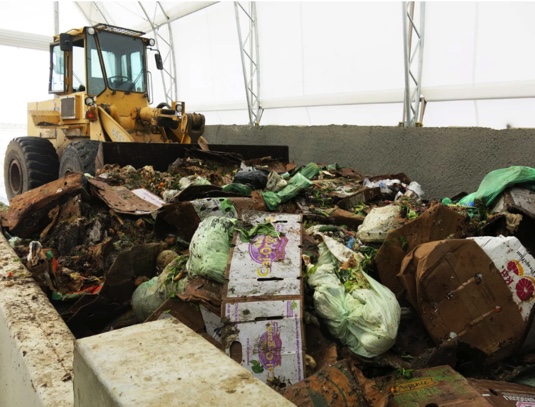
In Colorado, there have been several missions to reduce the energy waste caused by food production. In an NPR article from 2016, Luke Runyon talks about the Heartland Biogas Project, a Northern Colorado initiative that takes food waste and turns it into electricity. This project helps decrease energy waste from food itself, but another problem is the process of actually growing the foods.
Food Production
When it comes to the production of produce, like meat, eggs, and different plants, the energy provided by the food is minuscule in comparison to the energy that is used to grow them.
According to Webber, the U.S. of America uses roughly 10 units of fossil energy to produce one unit of food energy.
In Denver, the Denver Food Vision is an elaborate plan of action for how the city can better its food production practices by 2030.
One of their main goals is to reduce the energy used in food production and transportation. This includes: focusing on buying from local and state farmers, using electric vehicles for transport, and include neighborhood retail locations to encourage less driving to stores like Walmart or Target.
According to Hancock, it also outlines how they will promote more natural farming techniques that would exclude chemicals commonly used in agriculture. It also wants to decrease the amount of wasted energy in water use, farm equipment and land use.
The U.S. undoubtedly has work to do to reduce the amount of energy that’s used. Food is crucial to life but there are better ways to grow produce that can dramatically reduce energy use.
Places, such as Colorado, are ahead of the game, with hundreds of initiatives and proposals that will not only decrease energy usage, but also food waste, and even turn wasted food into more energy!
 NoCo Convos
Leave a comment