By Mateo
Less than a decade ago, the average distance that any food product was transported in the United States was 1,500 miles. In the last ten, that number has only grown.
This issue is a joint one, where the blame is shared between both the producers and consumers.
In the U.S., consumers are used to getting what they want, when they want it. This is especially applicable when it comes to food consumption.
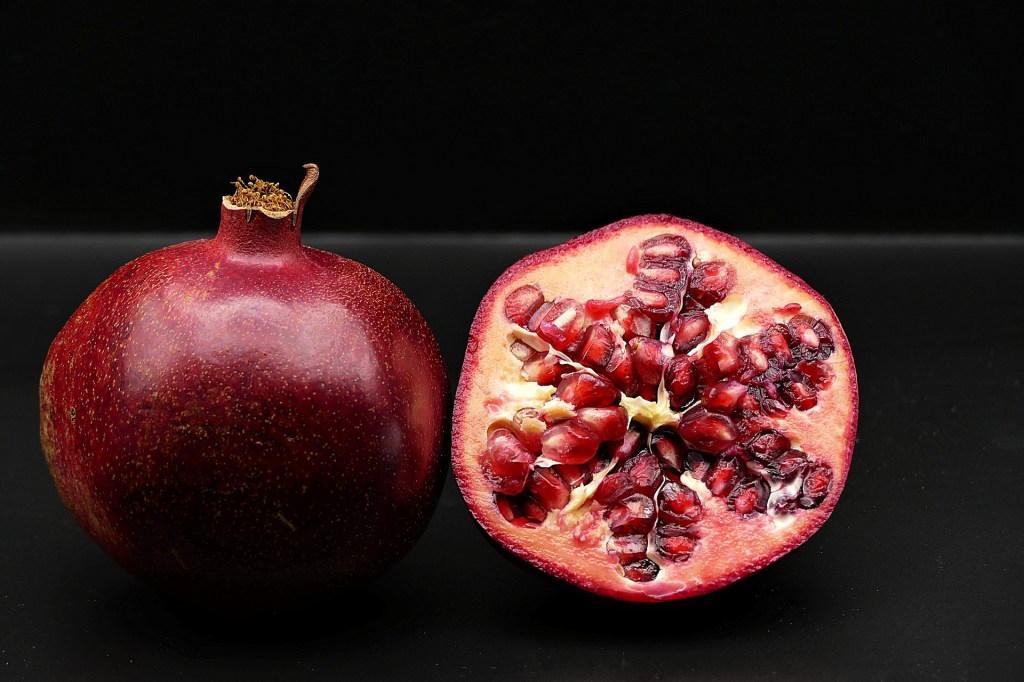
Pomegranates are an excellent example of this phenomenon. For example, if you live in Maine, and you want a pomegranate in the middle of winter, you are able to get it[1] . It’ll be on the grocery store aisles along with other fruit staples sold year-round.
But how did that pomegranate get there? It certainly doesn’t grow on the cold, rocky shores that makeup Maine. So, who grew that sweet, seedy, purple fruit?[2]
Well, there’s a good chance that it came from California, where 99% of pomegranate production in the U.S. takes place. But you can’t grow pomegranates in the winter, so how do the producers keep those precious pomegranates fresh?
They ship them off to massive freezers all across the world, and then periodically mail them to grocery stores[3] in accordance with demand.
This method of food production and distribution is costly, ineffective, environmentally hazardous,[4] and provides major farming corporations with a large profit. It also decimates local farming competition.
How is the average Maine farmer going to meet the demand for pomegranates when they are simply incapable of growing them? This issue can’t be blamed entirely on consumers.
This food market was designed and built over time by people who took advantage of the unhealthy diets that a lot of Americans have grown used to. If people like bananas but they don’t like banana flowers, production companies will cut the edible flowers off and create hundreds of thousands of tons of environmental waste. This results in them cashing in on the profits made from selling the bananas without being held responsible for the waste produced.
After half of the banana plant is cut off, they will ship the desired part of the plant all over the world, ship any extras to storage houses, and the cycle of consumption continues.
One particularly expensive aspect of this system is the long-distance transportation that basic food products undergo. Transporting millions of food items all over the world tends to rack up quite a toll on both the ozone layer and the country’s annual expenses.
 NoCo Convos
Leave a comment