By Ray Mundine
Student-athletes have always been under the spotlight due to mental and emotional health concerns. It is overwhelming to the point where performance in a sport can consume an athlete’s entire identity. Practice, weight lift, film, practice, physical therapy, team meeting, media session, game time. There is no time for school and much less, time for themselves. Many students become overwhelmed with the sheer pressure of academics. Student-athletes tie on an average of four to five hours a day of sport-related activities according to Colorado State’s Athletic Director Joe Parker. Some even work a job after all the academics and athletics are done. It is easy to see why many athletes are struggling with a mental health crisis.
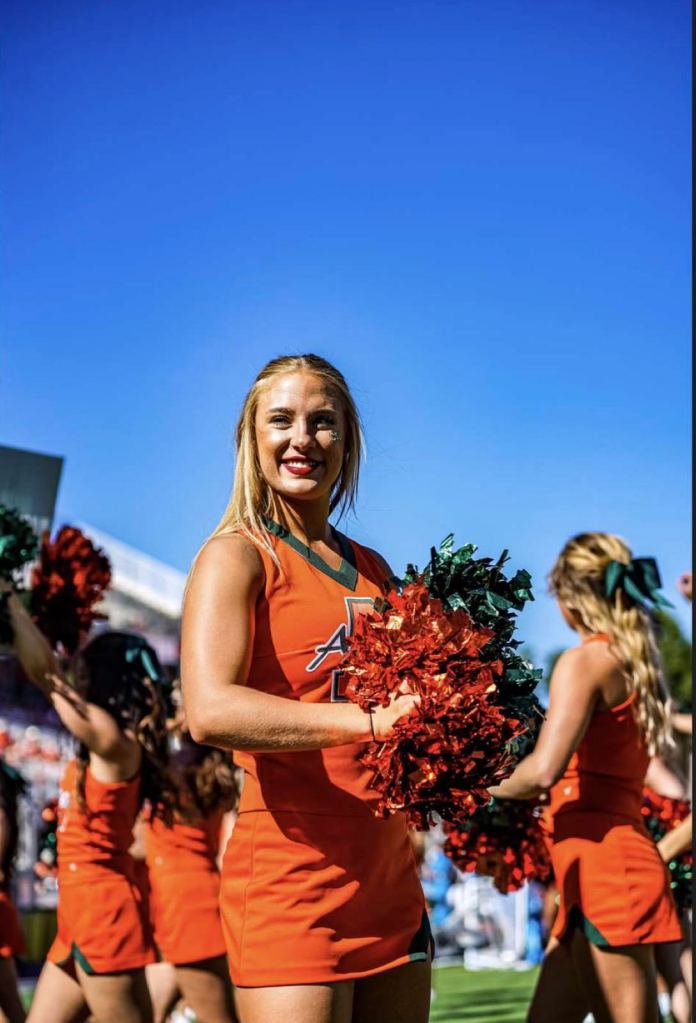
Raegan Gilchrist is a sophomore at CSU and a member of the cheer team. She has been cheering for six years Unfortunately, she has recently dealt with some severe injuries that put a pause on her athletic career. “We do something called a stand where someone is on my shoulders, and we stack other people on top. I had moments where I was bringing someone off my shoulders, my right shoulder would slip out and back into place. It wasn’t till October when I fell down the stairs, my shoulder fell out of its socket.” Raegan is currently still recovering from her injury and is unable to participate in tryouts for this year’s team. Oftentimes, athletes’ identities can become enveloped by their sport. “Sadly, I don’t feel like I know who I am without cheerleading. It has consumed so much of my time that I worry I won’t have much to offer without it.” This crisis of identity is all too common among collegiate athletes. From a young age, an athlete’s sport becomes part of their routine and one day, 10 years later, their athletic career just ends. However, there are some positive aspects of being a student-athlete, Gilchrist outlines some “I have become a hard-working athlete and student. I’ve learned to be more positive in my thinking and social life. I am more resilient than ever, and I have found strength within myself that I didn’t know I had.”
Athletes at CSU have very few outlets to aid them with any mental or emotional health issues they may be having. The Hidden Opponent is an organization at CSU that specializes in any mental health problems that athletes may have. However, this is the only point of contact that specializes in athletes’ well-being.
Athletes struggle all over the world, it is an unseen pandemic. The top three universities in Colorado host a total of 1,244 division one athletes and have over 75,000 students enrolled as of 2022. It is easy to see why these athletes feel sequestered. This is evident at every tier of the athletic structure, including one’s own team. Jillian Schneggenburger, a former Colorado athlete, speaks about that feeling of isolation ” I struggled mentally because I was being undermined. I was seen as a ‘lesser being’ by my coach. He made us seem stupid by dumbing down instructions.” If elite coaches can’t be trusted to protect our athletes, who can? Part of the difficulty that these athletes have coming forward with their mental health issues is that it can rebound and can make the situation even worse. “I never wanted to accept that I was struggling because I didn’t want to be seen as weak. I never did anything to help myself because I didn’t want my coach to see I was struggling,” Schneggenburger verbalizes. This ‘weakness’ is dangerous in the athletic community. Vulnerability gives your opponent an edge in any competition, so athletes are trained to hide their feelings. Weakness is taboo in the world of sports; however, if we can help our athletes relocate their feelings from their sport into hands that are more capable, we can save lives.
It comes down to offering as many outlets, or more realistically escapes, to athletes as we can. It is alienating when thousands of people exclusively care about your performance on the court, field, or ice. Reaching out to an athlete who is your friend, sibling, child, partner, or even student will mean more than you can imagine.
Colorado State Sport Clubs is an organization that I have worked with for three years. I have seen thousands of athletes come through our programs. Many of them have expressed that they occasionally struggle with mental and emotional health. Tim Crane has recently taken up the position of Sport Club Coordinator. Tim works with over 1,000 athletes ranging 30 sports. Crane states “I think our athletes are overall mentally and emotionally healthy when compared to the average. However, I think the average person is neither of those.” Even though Tim agrees we have a well-balanced athlete ecosystem there are still regular cases of athletes who are struggling. “Just this week we had three separate cases of athletes that came in battling mental health problems. One was so severe that authorities had to be involved.” Crane has only been with CSU Sport Clubs for the better part of nine months and is already looking into implementing new systems to protect our athletes. One idea he has is to design an anonymous online inbox where athletes can submit an inquiry if they are struggling. Administrators like Tim are pushing toward better care for Colorado State Athletes.

Assessing a calamity of this size can be daunting. It is a hypersensitive subject, especially for the athletes. Tim Crane’s methodology of using an anonymous reporting system is a great direction to begin this uphill battle. Allowing students to talk about their struggles anonymously is important to ensure they feel safe divulging such a sensitive subject. However, I think offering a less anonymous option for those that need a face-to-face discussion is crucial. I propose offering a support group led by licensed sports counselors. This will allow athletes from all different backgrounds to come together and speak about shared struggles. After all, who knows what it’s like to be a student-athlete better than a student-athlete?
This is a disaster. If all students were struggling with their mental and emotional well-being the way our athletes are, the administrative body would be in a panic. Why do athletes get swept under the rug? Student-athletes are suffering, and we need to offer them a hand.
 NoCo Convos
Leave a comment