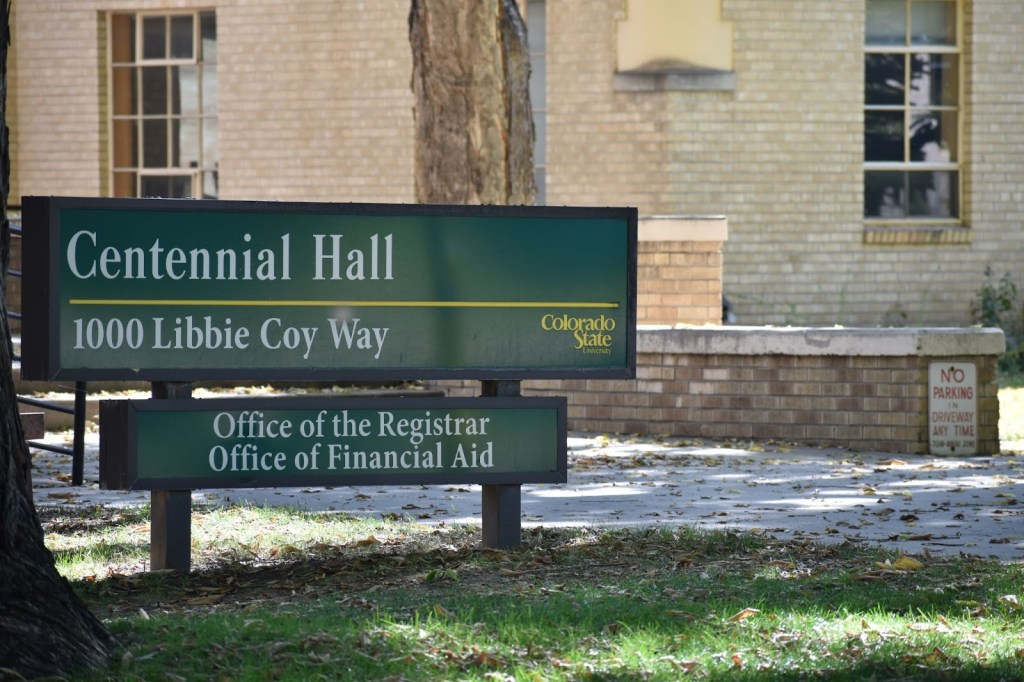
By Nick Alhadeff and Nick Edwards
The rising cost of living is a top concern for young people across Colorado, as shown by responses to the Voter Voices survey, a collaborative effort involving over 60 Colorado news rooms including Colorado State University’s JTC 420 Deliberative Journalism class.
Among the more than 7,000 responses, participants aged 18-28 identified economic pressures like housing, healthcare, and climate change as key issues, with the cost of education standing out for students.
For the 2024-25 academic year at CSU, tuition costs for Colorado residents average around $12,500, while out-of-state students pay nearly $32,500. When adding housing and meal plans—which can cost between $13,000 and $15,000—annual expenses often exceed $27,000.
While tuition has increased by an average of 1.6% per year, adjustments in financial aid have not consistently kept pace. This gap has left many students struggling to cover both educational and living expenses, placing additional financial stress on them and their families.
With rising tuition rates, students at CSU are facing mounting financial challenges, requiring families to carefully navigate financial aid, scholarships, and employment options to fund college
For many students at CSU, the increasing expense of tuition, combined with general living costs, has become a significant financial burden. While the university offers scholarships, financial aid, and work-study opportunities, students are left to pay for additional expenses such as personal products and transportation.
While the school does offer 11 scholarships to instate freshman as well as financial aid programs, these are based on parental income, as well as merit. This can be difficult for students who cannot qualify based on either parameter.
For those in situations such as this there are options such as work study programs or scholarships from external sources, however both of these often come drawbacks whether it be GPA requirements or time commitments.
For many students who are already in financial need, dedicating time to either of those may not be possible due to jobs or work; they must continue to support themselves through school.
One option to combat the rising costs is to apply for external scholarships, but students need to be wary of potential scams or low-value offers. Researching scholarships may not always be worth the effort to significantly reduce tuition, aside from the CSUSA (Colorado State University Scholarship Application), which students apply for once a year.
This puts all applicants in a pool for any scholarships they may qualify for, greatly reducing the time from individually applying for scholarships. These include a large number of academic scholarships as well as aid based on criteria such as first generation students, liberal arts talents such as music and dance, and adult learners.
However, any scholarship money earned is subtracted from your financial aid package, so it is not received directly in cash—it just reduces the financial aid award received.
According to the CSU Financial Aid Office, federal aid is determined by financial need, but there are limits on how much each student can receive; scholarships are applied first, and any remaining financial aid is used afterward. The full award is disbursed each semester, and any leftover funds are refunded to the student.
But, as Jenn Dawson, a current CSU student and teaching assistant for JTC 420, points out, “scholarships can impact living expenses, and that can be frustrating when you’re already on a tight budget.”
Colorado State University offers its students 3 different dining hall options, the 15 per week, 19, and the 19+ add ons. The cost per meal still equates to around $12 per meal even with the higher plans. This is comparable to the costs of local restaurants and far more expensive than grocery shopping and meal planning.
The federal government allocates financial aid based on need, and there is a set limit that varies per student. When students earn scholarships, they are applied first, and any remaining aid is used afterward.
“You get the full award per semester, and any unused funds return to you as a refund, but scholarships often impact living expenses, which can be frustrating for many students,” Dawson said.
Another aspect is that financial aid is often considered on the basis of parental income. For students whose parents earn above financial aid qualifications, but do not receive full support through school, financial aid may not be the best option.
Work-study programs can also be a valuable way for students to earn money without affecting their financial aid package.
“Work-study is a good option at CSU because you keep 100% of what you earn, and it doesn’t reduce your aid,” Dawson said.
This can help with managing expenses, but students are rarely awarded enough financial aid to cover living costs. The maximum amount is around $5,000, but for many students, it may only amount to a few hundred dollars.
The SLICE Office (Student Leadership, Involvement, and Community Engagement) is a key resource for students seeking information about affordable education, housing, and food programs.
One helpful program that SLICE can help students access is Rams Against Hunger, which provides emergency food assistance to students in need. While these programs offer some relief, students still find work and income on and around campus.
A good place to find work is the Career Center located in the basement of Lory Student Center. At the Career Center, students can find help finding available campus jobs that can involve anything from cooking to study-related research.
The Career Center also offers resume revision assistance that can help students receive more positive responses and potential interviews when applying for jobs. All of the resources at the Career Center are available for free to students at CSU.
CSU’s tuition cost rises almost every year, with an average increase of 1.6% per year between 2018 and 2023. These changes are reflected in the financial aid packages, but not always at the same pace as rising living costs. The financial outlook of the school can be analyzed through publicly available financial statements, which provide insights into potential future increases.
This data is available on RamWeb to determine cost-of-living adjustments, but for students, the rising expenses often feel like a moving target, with financial aid struggling to keep up.
It’s important to understand why tuition keeps rising and where the extra money goes. Each year, students see an increase in tuition and fees, but it’s not always clear how these funds are used.
For the 2024-2025 year, the university board approved a 3% increase in tuition for resident students, and a 4% increase for nonresidents. While 25% of this is to be allocated towards student financial aid, where the other 75% of additional income is going can only be seen online through their financial statements.
While the university does provide these online reports that show how funds are allocated, students often feel disconnected from these decisions.
“I feel like I’m not involved at all with financial decisions made by CSU,” said David Roseberry, a junior studying Marketing at CSU “Considering that CSU is using our money to pay for new projects, they should be more transparent on how they spend it.”
Writing letters is another option, but there isn’t a clear or accessible process for students to have their voices heard in decisions about tuition or financial aid changes.
By staying informed and involved, students can better understand the factors driving tuition increases and advocate for a more transparent and equitable financial aid system.
The current financial aid system doesn’t always feel fair to students, especially those who need to work full-time to cover tuition and living expenses.
Lara Kuchen, is a student who had to leave CSU in 2024 for financial reasons.“Financial aid doesn’t help every situation,” Kuchen said. “Without qualifying for scholarships or any other help I wasn’t able to afford to stay in school.”
Much of the financial aid system is shaped by federal and state government involvement, leaving individual universities like CSU limited in how much they can do to support students.
Creating a more equitable system would require significant changes in how financial aid is structured, whether through federal programs or changes at the university level.
For now, students must navigate the existing system, balancing work, school, and living expenses while hoping for a future where higher education is more accessible and affordable for all.
While the cost of attending the university is likely to continue to rise, and scholarships only become more competitive for students, campus jobs, financial aid, and work study programs all provide viable options for combatting rising costs.
 NoCo Convos
Leave a comment