-
Happiness on Wheels
By: Jazz Hennes
Fort Collins, Colo.- I didn’t grow up in a city where you could bike down the road a few minutes and go to class or the store. That’s probably been the biggest culture shock for me with moving to Fort Collins, everyone bikes everywhere.
But, everyone also seems happier here.
According to National Geographic, biking correlates with happiness. And, it’s hard not to see why having the ability to bike everywhere would make people happier. One way to cultivate happiness is by creating a sense of security and safety.Biking is safer and it places a preference on people over cars.
Fort Collins has exemplified this by having over 45 underpasses and overpasses for bicyclists which makes biking safer. By increasing the safety of bikers, more people are encouraged to bike which will in turn increase their happiness.
Tour de Fat riders prepare in Howes Street. Photo by: Jon Austria of The Coloradan, 2022
Anyone can get involved in the Fort Collins biking scene; from participating in Tour de Fat, which is a great way to get connected with the culture of Fort Collins, to suggesting places for Fort Collins to place bike racks and even request temporary bike racks for large events.
While biking isn’t for everyone, it is certainly for Fort Collins. So next time you need to go to the store down the street, leave your car and take your bike instead.
-
Fort Collins: A Green Oasis of Happiness and Sustainability
By: London Diiorio
Fort Collins, Colo.- Nestled in the north of Colorado, the small city of Fort Collins stands as a shining example of a community dedicated to environmental awareness, sustainability, and the preservation of green spaces. In an era marked by a pressing climate crisis, Fort Collins emerges as a model city that not only addresses environmental challenges head-on but fosters happiness and a high quality of life for its residents.
According to research, there is a strong correlation between green spaces and self-reported happiness– a connection that greatly aligns with Fort Collins’ historical commitment to open spaces and the well-being of its residents. Beginning in 1974, Fort Collins adopted its ongoing Open Space plan, and in 1973 and 1984 tax initiatives funded land acquisitions along the foothills. Today, the city boasts an extensive network of parks, trails, and over fifty natural areas that cater to a wide range of outdoor activities, including the recent adoption of Nature in the City Strategic Plan in 2015.
Fort Collins continues to distinguish itself from other cities by leading in the creation and upkeep of natural areas that significantly enhance the happiness of its residents. Studies highlight that green rates significantly impact community satisfaction, open spaces serving as hubs for outdoor activities and community gatherings that foster a strong sense of belonging. Fort Collins’ lush green landscape improves urban environments and activity spaces, contributing to a sustainable and enjoyable city.
Fort Collins stands as a testament to the transformative power of green spaces and community well-being and engagement. By maintaining this connection and funding conservation programs, Fort Collins embodies the belief that cities can thrive while coexisting with the natural world, offering exceptional quality of life and fostering belonging across diverse demographics. In an era marred by pressing environmental challenges, Fort Collins stands as a reminder that through the appreciation of natural surroundings and a focus on well-being, cities can serve as sources of happiness for future generations.
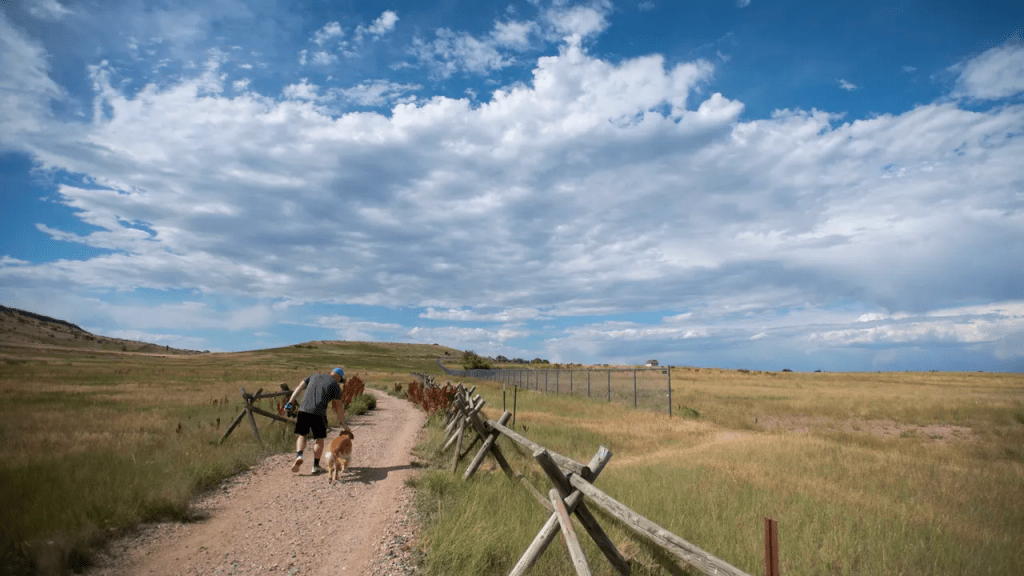
A man walking his dog on an open space trail in Fort Collins, CO. Photo by: Holly Engelmann, 2021
-
“Happiness is the richest thing we will ever own.” — Donald Duck, DuckTales the Movie
By: Analiese Brown
Fort Collins, Colo.- How do you find happiness? What makes you happy? Finding happiness is a unique experience for each individual, but there are ways to help foster happiness in a city for virtually every individual. One way that has vast impacts and that Fort Collins does well is implementing parks and green spaces.
First, let’s look at the physical and mental benefits of parks and green spaces. Studies show that parks and green spaces have decrease symptoms of anxiety and depression as well as promote more physical activity, which all leads to healthier individuals. Having these needs fulfilled allows individuals to ascend Maslow’s Hierarchy of Needs.
Not only are parks and green spaces important for the health of individuals, but for the health of a community as well. Having spaces for people to connect can promote societal capital. Giving individuals and opportunity to connect and a safe place to have recreation can lead to reduced crime rates, development of social skills through play and a safer community.
We can look at how parks and green spaces affect the whole city through the E4 crisis; the success of the city by looking at the economy, environment, equality, and energy impacts. In summary parks and green spaces promote happier communities, which makes people want to live in these communities (economy), allows places to people to walk and bike instead of driving cars (energy), promotes biodiversity and helps lower carbon emissions (environment) and is an equal place for all people to enjoy (equity).
Throughout its whole history, Fort Collins has had great success when it comes to parks and green spaces. From the first parks created by the founding citizens of Fort Collins, to the successes of the Recreation Commission. Now, the city still has thriving parks and green spaces for its citizens.
Today Fort Collins has continued on its past success. In 2017, Fort Collins was awarded the Malcolm Baldrige National Quality Award. Fort Collins also received its CARPA accreditation in 2019. Fort Collins plans to only grow. A recent master plan released by the city plans to improve and grow the parks and green spaces and create “a holistic, interconnected view of the city’s public spaces”.
Parks and green spaces are a vital part of a city’s health and happiness. It is important for the health of the individual and the community. This is an area that Fort Collins thrives in and plans to continue to in the future.
-
Why Cities Thrive and Why They Die
By: Boden Bascom
Fort Collins, Colo.- While the effect cities have on development and innovation are undeniable, they are also breeding grounds for unhappy people if not developed in the right way. Cities need to maintain an equitable relationship with the people and land around them to foster success personal well-being, and improve infrastructure. Outdoor space and accessible transportation are key to maintaining a healthy, equitable community.
A problem with many cities today is that they are not equitable. People can become trapped in places where they don’t have access to the proper facilities required to succeed, creating an unsustainable future for the city. The Urban Brain: analyzing outdoor physical activity with mobile EEG discovered a person’s productivity and engagement were increased while their frustration decreased. These changes occurred as the subjects walked from a busy street to the park.
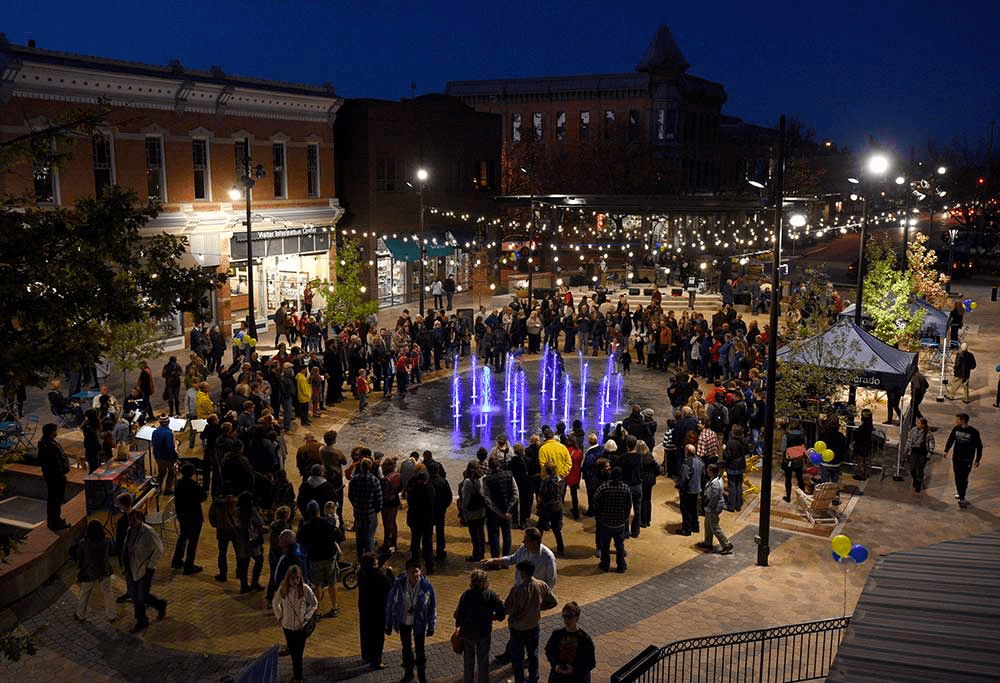
Downtown Fort Collins, CO, at night. Photo by: “Downtown Fort Collins.” Hotels, Restaurants & Things To Do
Intensive urban growth leads to many cities’ downfall. History has shown that when a population density becomes too high it gives way to an unsustainable living environment. Chapter two of Happy City explains how Rome’s community became too crowded and divided, leading to Rome’s downfall. Rome and other historic cities have given examples of how even powerful, wealthy cities can fail or succeed.
Active transportation has shaped part of Fort Collins identity. In 1970, Betty and Bill Sears led a movement that led to Fort Collins having over 200 miles of bike lanes and 50 miles of marked trails. The Sears petition helped shape outdoor spaces and city planning, allowing for spread-out yet accessible facilities. The center of the Old Town District is designed for a social experience, making it feel like a united town no matter where you go.
Every city has unique needs, and we use examples of historical successes to plan best. The planning put into Fort Collins has given wake to a successful, self-sustaining city that has a positive and equal effect on its residents, creating a productive and innovative environment.
-
The Struggle of Finding Affordable Housing in Fort Collins
By: Alivia Ball
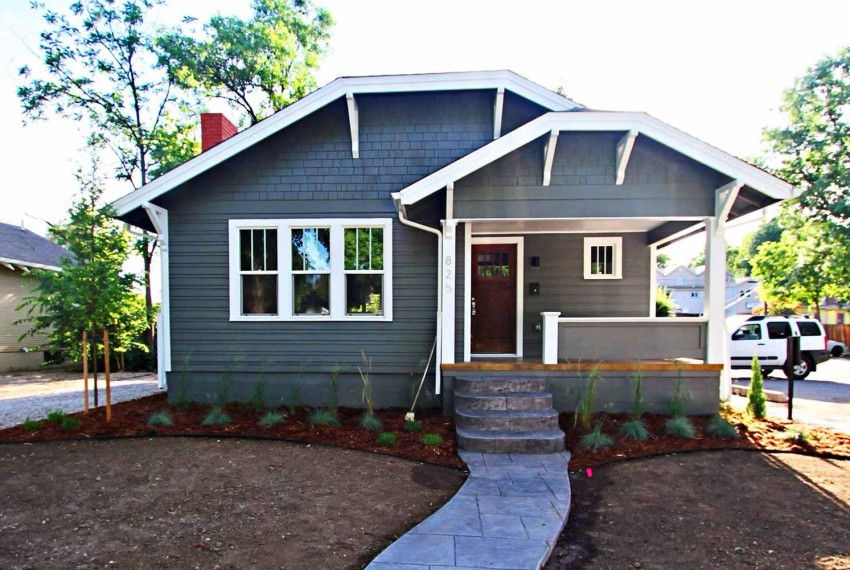
This image shows a small town home in Fort Collins, Colorado. Photo by: Ferrey Rauch Asset Management
Fort Collins, Colo.- People will never cease to complain about the cost of living in the capitalist society of the United States, and rightfully so. In relatively sustainable towns such as Fort Collins, Colorado, residents are starting to realize the life they covet may no longer be affordable to them. It is inevitable that as a city grows, so does the cost of living, yet many people lack the income to support themselves in an economy growing so rapidly. And because of the increasingly expensive cost of living and lack of affordable housing in a desirable town like Fort Collins, this city struggles with higher levels of poverty every year. Inequality is promoted while equity is ignored.
For the price of housing, Fort Collins doesn’t have significant commodities to offer. People pay an excessive amount of money for lackluster housing options. Because of the increased cost of living in Northern Colorado, people have been less inclined to move to a place where they cannot afford their lifestyle.
A journal article about Evaluating Housing Affordability in Fort Collins says “average monthly listed rents in the U.S. increased 14.1 percent year-over-year, with certain metro areas seeing hikes above 30 percent.” When wages don’t follow this increase in housing prices, people struggle to afford housing in the areas they have established their lifestyles. Much of this issue could be solved by addressing the problem that zoning of urban developments has caused. In the outskirts of cities, zoning has created inequality and ineffective housing systems. Cities are designed to function mechanically, but not promote the satisfaction and happiness of citizens.
-
The Struggle of Finding Affordable Housing in Fort Collins
By: Alivia Ball
Fort Collins, Colo.- People will never cease to complain about the cost of living in the capitalist society of the United States, and rightfully so. In relatively sustainable towns such as Fort Collins, Colorado, residents are starting to realize the life they covet may no longer be affordable to them. It is inevitable that as a city grows, so does the cost of living, yet many people lack the income to support themselves in an economy growing so rapidly. And because of the increasingly expensive cost of living and lack of affordable housing in a desirable town like Fort Collins, this city struggles with higher levels of poverty every year. Inequality is promoted while equity is ignored.
For the price of housing, Fort Collins doesn’t have significant commodities to offer. People pay an excessive amount of money for lackluster housing options. Because of the increased cost of living in Northern Colorado, people have been less inclined to move to a place where they cannot afford their lifestyle.
A journal article about Evaluating Housing Affordability in Fort Collins says “average monthly listed rents in the U.S. increased 14.1 percent year-over-year, with certain metro areas seeing hikes above 30 percent.”. When wages don’t follow this increase in housing prices, people struggle to afford housing in the areas they have established their lifestyles. Much of this issue could be solved by addressing the problem that zoning of urban developments has caused. In the outskirts of cities, zoning has created inequality and ineffective housing systems. Cities are designed to function mechanically, but not promote the satisfaction and happiness of citizens.

This image shows a small town home in Fort Collins, Colorado. Photo by: Ferrey Rauch Asset Management
-
The Rocket Scientist vs. The Journalist: A Battle Within Culture (The Documentary)
-
The Intern
An intern.
In the sports world.
Is almost like a glorified free worker.
That may seem like a tough idea to you but I’m just calling a spade a spade.
The hours committed to doing the dirty work just for someone to say you’re never going to get a job or that you still need 5 years of experience and your degree isn’t all that. Just seems like a waste of time and the effort isn’t worth it.
In the intern world, I have been very fortunate to receive compensation for my work and time but I still have experienced jobs where the time I put in was not worth my emotional well-being.
Unnecessary backlash, being blamed for situations that you had no part in (but you’re an easy route out), giving 110% 6 days a week. To neglect your social life because someone else holds the keys to your success.
That’s what it’s like. To feel like you sold your life just to get another intern position right out of college because that’s the only thing that your experience is worth.
“It sucks.” Georgia Hoekstra said who is also an intern in sports.
“We don’t get treated the same way. All of the problems of the staff fall on us and it’s our fault. They ask too much of us for it being unpaid.”
It’s almost like being a student-athlete expect not getting any of the benefits and having to choose between school or the job. This shouldn’t be the case because we are all here for school and an education.
Even through sharing these words that most people my age go through. So many will still say, we all had to do it. ‘It’s part of the business world.’ ‘It’s just hard and you’re complaining too much’, ‘Just get a job and be grateful’. Let me tell you that I wouldn’t be saying these if I didn’t maintain 16 credits almost every semester, and hold three jobs, two of which are internships.
Working in sports is a full-time position and it’s hard to be in a spot where you’re doing your passion but also your time and mental health are being targeted all at once.
However, at the same time, I don’t want to say that all jobs in sports are this way. There are so many internships that pay and treat their interns well. I worked for the Denver Nuggets this summer and that was one of the best experiences and jobs I have had regarding bosses and pay.
It seems like the sports world understands internships and their roles and the other half doesn’t.
It seems like there needs to be a standard set in place for all sporting institutions to clarify the definition of an intern and the rules around it.
Hoekstra said it great,
Sports need to “understand that we are students and Interns; that is a common thing that is forgotten.”
If interns could be treated like the students that they are then it could create a better atmosphere.
So many times I have heard that people want to work in sports but they can’t go a semester without pay or don’t have time because the time commitment is too much. If there was a standard just like any other job, I think that it would be more beneficial for the interns and the experience they’re essentially getting.
“Be more flexible.”
That seems to be the deal. We are not your scapegoat, we are not just interns, we are not just people who enjoy sports, and we are not just students. We are student Interns who are looking to work in sports someday. Treating us like the people we are and being flexible with the other time commitments and experiences we have.
The weird thing is, at the end of the day I still look forward to going into my sports job. I know that the toxic environment is always going to be there but It is something that I have to go through. It is part of the experience. I can only hope that someday it won’t be part of the experience and that the NCAA will follow the lines that the professional level has. That they won’t “expect us to make sacrifices, that they don’t expect others to make.” To guide and teach us what the sports world looks like and how we can grow and understand ourselves better.
Maybe it is for the best that we have to go through this process, or maybe it’s just circumstantial, whatever it is, it’s hard and I wish change could happen. That the NCAA would be better.

Hoekstra standing on the football field during the first quarter checking to see what her boss texted. 
More interns in sports watching the game from the sidelines. 
Playing football in the snow. 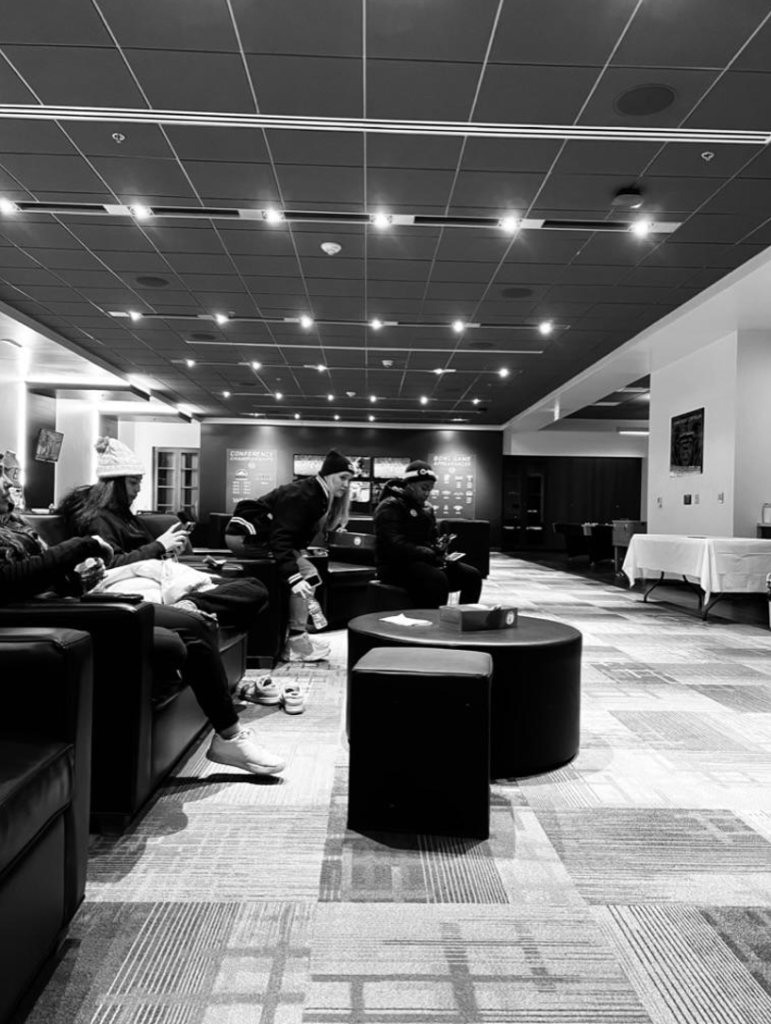
Warming up at halftime in the players’ lounge before going back out on the field. -
Legacy lives on: CSU alumni recall the magic of their college years

Aria Marizza | Colorado State University Journalism
Nestled in the heart of Fort Collins, Colorado State University has cultivated a rich and storied history, and its alumni carry a piece of that history long after they leave campus. From CSU’s first establishment as a land-grant institution in 1870, the university has undergone immense changes and will continue to change and adapt in the future. Two CSU alumni, Gerald Marizza and Lana Schueler, offer us a glimpse into their early 70s and 80s college years. Both Marizza and Schueler have preserved the essence of an era when CSU was a hub of vibrant traditions and endless youthful spirit.
Founded in 1870 as a land-grant institution, Colorado State University has a rich and evolving history that mirrors the changing landscape of student life. From its early days as a college to its current status as a comprehensive university, CSU has continually adapted to the needs and aspirations of its students. The evolution of student life and traditions at CSU is a testament to the institution’s commitment to fostering a vibrant community on and off-campus. Over the years, CSU has transformed from a modest college into a dynamic center of learning and research, with students from diverse backgrounds and experiences enriching the campus. With a history deeply intertwined with Fort Collins, CSU has not only embraced educational progress but also created a thriving environment where student traditions and experiences have thrived, connecting the past with the present.
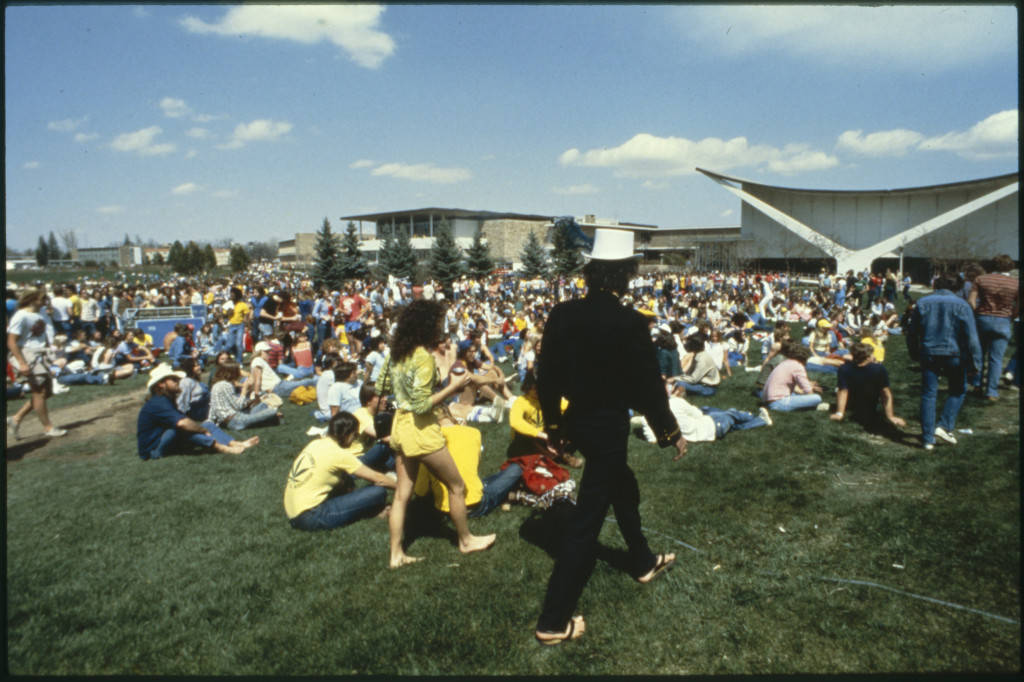
Students attending the annual “College Daze” festival in 1979. Taken from the 1979 CSU Silver Spruce yearbook. Gerald Marizza, a proud alum from Colorado, moved to Fort Collins to attend CSU in 1974. As a resident of Durward Hall, he recollects many of his days spent navigating the dorms, soaking in the vibrant atmosphere around the towers, and, most notably, savoring the charm of the Towers Tap. The Towers Tap, an iconic pub tucked within the towers’ dining hall, served as a haven for students needing a breather from their academic studies to share a laugh, enjoy a beer, and snack on fried food. “We were kind of a self-contained organism out there [at the towers]. We just stayed out there and never really strayed off-campus because there just wasn’t a need”.
His fondest memories as a student were the annual “College Daze” and “Tower Power Days” that occurred in the spring, serving as “one last hoorah” before finals. College Daze was a three-day CSU-hosted event that featured live music, good food, and carnival games. The weekend prior was the time for Durward and Westfall halls to shine during their Tower Power Days, a student-led festival with intramural sports tournaments, lighthearted competitions, and lots and lots of drinking. He reminisces on the sense of community shared by on-campus students and believes that to be the push he needed to become more extroverted and sociable.
“The tower’s environment was perfect for me because there were about a thousand people right there that you interact with on a daily basis. I was always exposed to a lot of people, and it almost forced me into breaking out of my shell.”
Gerald MarizzaGerald’s unique journey, which included a brief hiatus from college to play the bass guitar in a local band, exemplifies the sense of community and exploration that characterized CSU at the time.
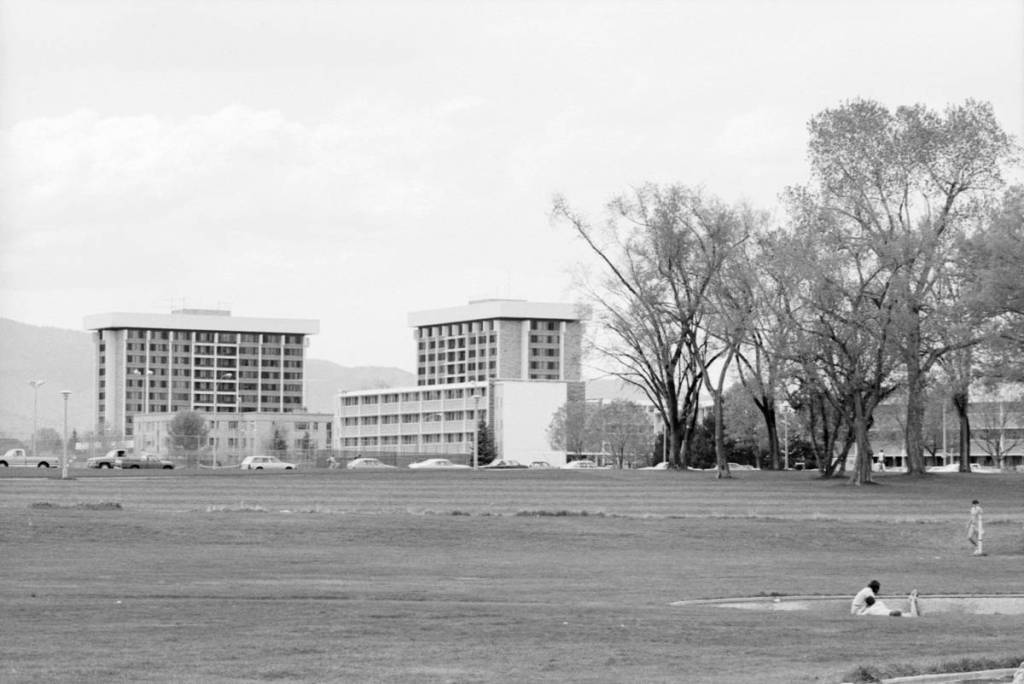
Durward and Westfall residence halls in 1984. Taken from the 1984 CSU Silver Spruce yearbook. In 1982, Lana Schueler moved to Fort Collins to attend CSU, where she met her future husband and decided to make the city her forever home. As a student, she lived in Durward Hall similarly to Gerald, and joined the Kappa Kappa Gamma sorority for the next three years up to graduation. She fondly remembers popular hangout spots like “The Library”, which was a bar that sold 3.2 beer for students 18 years and older, and subsequently met her husband there.
Lana’s fondest memories in college include the “College Daze” weekend festival like Gerald, but also savored every moment she had with her sorority sisters. Being a part of an organization that uplifted one another, offered valuable friendships, and unlimited laughter and entertainment. The support she had in the sorority followed her well beyond college and into her adult life.
“When I decided to start my [accounting] business, one of sorority sisters who was a CPA helped me out as my advisor. Her assistance helped me enormously.”
Lana SchuelerLana’s life after college has been marked by pivotal decisions, including leaving her job to become a stay-at-home mother and later starting her own successful accounting business. Her positive experiences at CSU led her to staying in town and being a proud mother and mentor to her daughters.
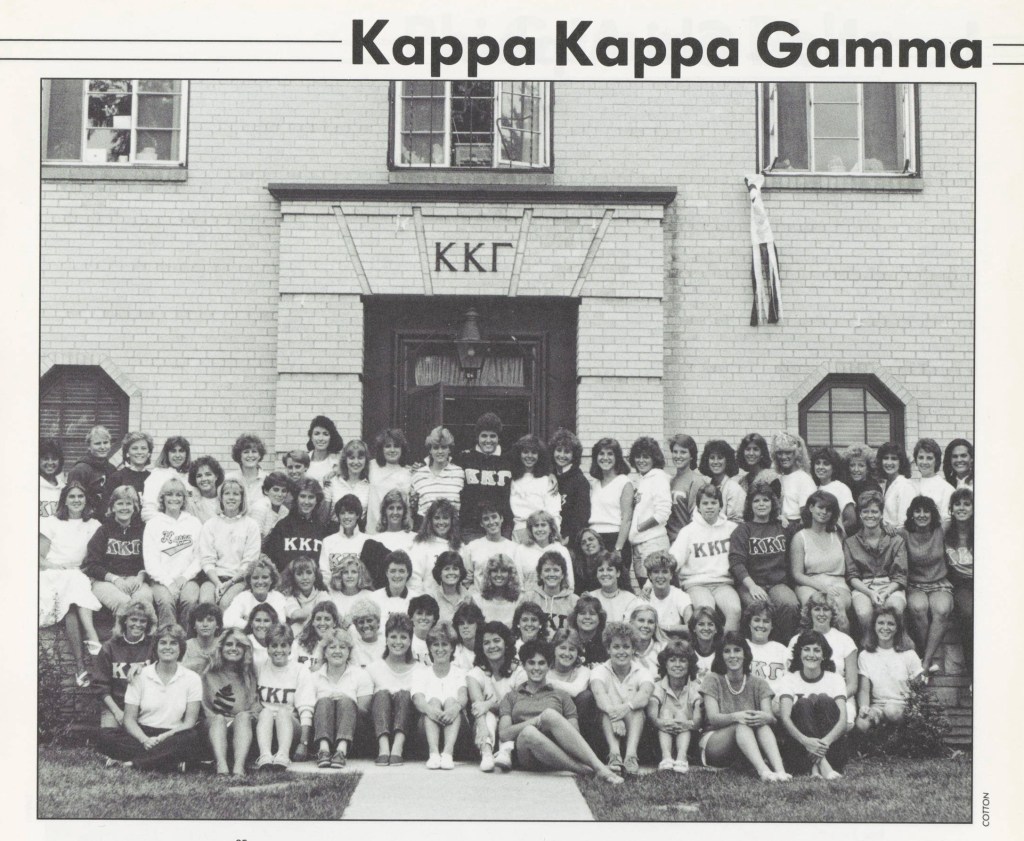
The Kappa Kappa Gamma sisters in the 1984-1985 school year. Taken from the 1985 CSU Silver Springs yearbook. In preserving the history and traditions of CSU, alumni are a living archive, offering a unique perspective on the past. As they share their experiences, they take us back in time, allowing us to relive the moments, traditions, and spirit that once defined the university. These memories serve as a bridge between generations, connecting today’s students with the CSU back then.
Colorado State University recognizes the significance of its alumni in preserving its legacy. The Alumni Association is an incredible way for past Rams to support future scholarships and preserve the CSU traditions they love. Through hosting alumni events and engagement opportunities, the university actively cultivates a sense of community and ensures that these stories are cherished and passed on.
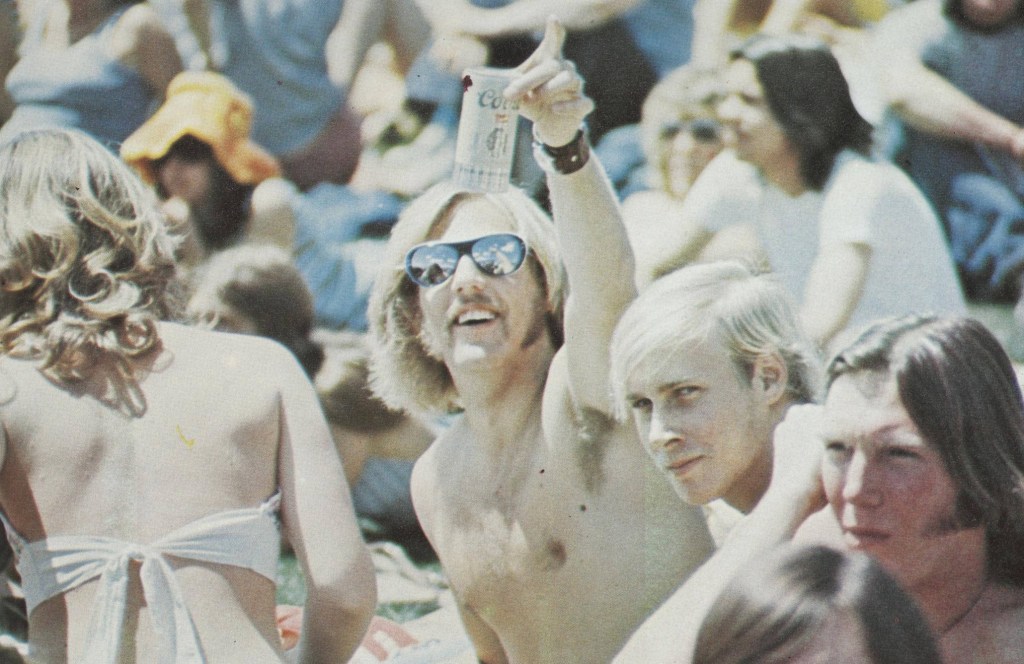
A picture of students at the annual “College Daze” festival in 1975. Taken from the 1975 CSU Silver Springs yearbook. In the narratives of alumni like Gerald and Lana, there’s a powerful reminder of the transformative influence of Colorado State University on those who attend. Their experiences are not just memories; they are integral chapters in the collective narrative of the university. These alumni stories become guides for current and future students, illuminating the path to wisdom, personal growth, and lifelong connections that extend far beyond graduation day. It’s in these stories that we find the thread that bridges the past with the present, celebrating a living history and a promising future for Colorado State University.

-
Subscribe
Subscribed
Already have a WordPress.com account? Log in now.
 NoCo Convos
